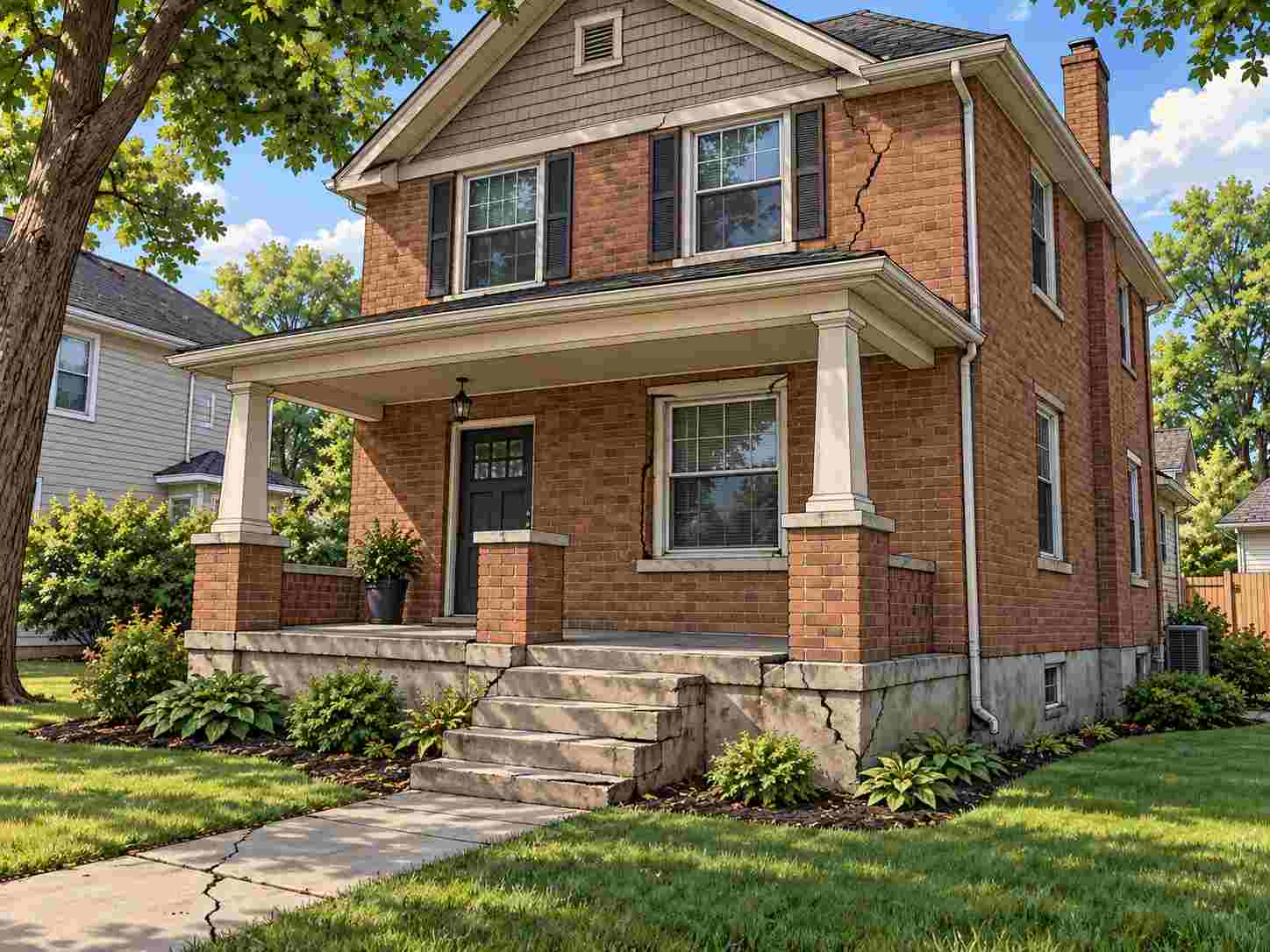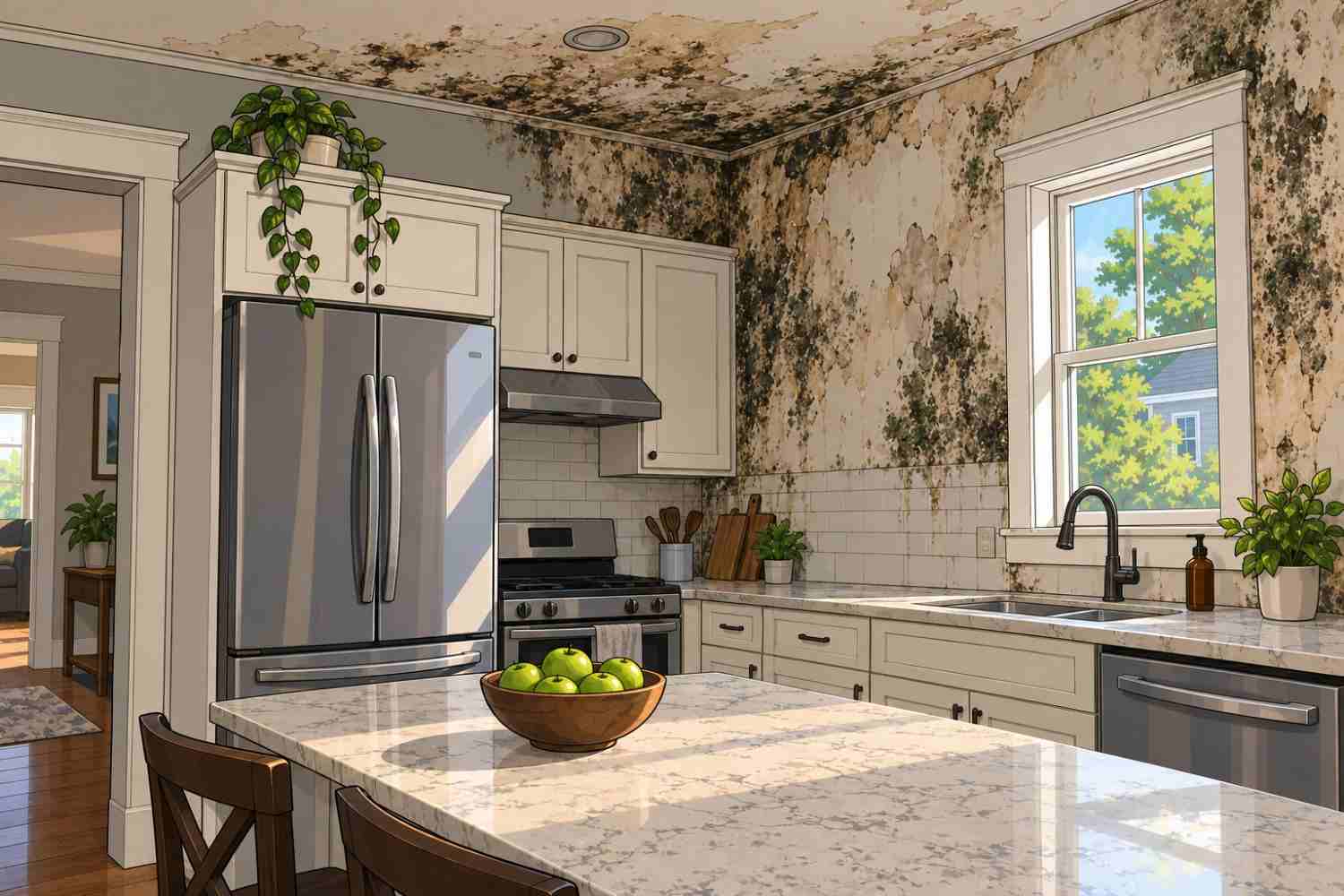
Can you sell a house with mold in Illinois? The answer is yes. Illinois law allows you to sell a home with mold, but you must disclose any known mold, water damage, or ongoing moisture issues to potential buyers. Under the Illinois Residential Real Property Disclosure Act, sellers must complete a written disclosure form that lists any known material defects. Failing to disclose mold can lead to legal disputes, canceled contracts, or costly lawsuits.
Windy City Home Buyer can help homeowners sell properties with mold without making costly repairs first. This may be a practical option when you need a faster and simpler sale.
Can You Sell a House With Mold Legally and As-Is?
Many homeowners ask, can you sell a house with mold if they find mold before listing their property. The good news is that you can. Illinois law allows you to sell a house with mold, even if you decide not to fix it first. The most important step is being honest about the home’s condition.
Is It Legal to Sell a House With Mold?
If you are wondering, is it legal to sell a house with mold, the answer is yes. Illinois allows homeowners to sell properties with mold. However, you must tell buyers about any known problems before the sale.
Under the Illinois Residential Real Property Disclosure Act, sellers must complete a disclosure form. This form lets buyers know about important issues with the home. If you know about mold, you should include it on the form. You should also disclose related problems, such as:
- Water damage
- Basement flooding
- Roof leaks
- Moisture problems
- Past mold issues that you know about
Being honest helps everyone involved. Buyers know what to expect before making an offer. Sellers reduce the risk of future disputes. Clear communication can also help the sale move forward with fewer delays.
Remember that every property is different. If you are unsure about your disclosure responsibilities, consider speaking with a qualified real estate professional or legal advisor.
Can You Sell a House As Is With Mold?
Yes. Can you sell a house as is with mold? In many cases, you can. Selling a home “as-is” means you are offering the property in its current condition. You are not agreeing to make repairs before closing.
Even when selling as-is, you must still disclose any mold or moisture issues that you know about. Buyers can decide whether they want to move forward after reviewing the property’s condition.
Many homeowners choose this option because it offers several benefits.
Pros of Selling As-Is
- No repair costs before selling
- Faster selling process
- Less stress and fewer delays
- No need to spend time fixing the home
- A simple option for homes needing work
There are also a few things to consider.
Cons of Selling As-Is
- Buyers may offer a lower price
- Some buyers may look for homes in better condition
- Buyers may ask for repair credits or negotiate the price
If your goal is to sell a house with mold quickly, selling as-is may be the right choice. Many cash buyers understand that homes can have mold, water damage, or other issues. They often buy properties without asking the seller to complete repairs first.
At Windy City Home Buyer, our professional team works with homeowners who want a simple and fair selling process. We buy homes in many conditions throughout our service areas, including properties with mold and water damage. If you would like to learn how other homeowners have worked with us, take a look at our home seller reviews to see their experiences.
Should You Remove Mold Before Selling?
Many homeowners ask, can you sell a house with mold without fixing it first. The answer is yes. You can repair the mold or sell the home in its current state. The right choice depends on your budget, timeline, and plans.
Fix the Mold Before Selling
Removing mold before the sale can help buyers feel more confident. They may feel safer knowing that a trained expert handled the problem. Repairs may also help you receive better offers. Buyers often pay more when they expect fewer costs after closing. A mold-free home can make the inspection process easier. The inspector may find fewer concerns, which can reduce delays or added talks about repairs.
Fixing the problem may also make financing easier. Some lenders may not approve a loan when a home has serious mold or water damage. Homeowners often ask, can you sell a house with mold in it after repairs. Yes, but you should still share any known past issues with the buyer.
Sell Without Repairs
You may also choose to sell a house with mold in Illinois without paying for repairs. This can work well when the cost is too high or you need a faster sale. Selling as-is may be a good choice for inherited homes. You may not have the time or funds to clean and repair the property. It can also help owners of vacant homes avoid more upkeep. Mold can spread when a property stays empty for a long time.
People facing financial hardship may choose to sell Chicago house as-is to avoid large repair bills. This option may also help when you need to sell my house fast in Chicago, IL because of a move, foreclosure risk, or urgent family matter. You must still tell buyers about known mold and moisture problems. Clear details help protect both sides and support a smoother sale.

How Mold Affects Your Home’s Value?
Many owners ask, can you sell a house with mold and still receive a fair offer. The answer depends on the type of mold and the amount of damage. A small mold spot may have little effect. A large mold problem may lower the home’s value.
Small Bathroom Mold
Small mold spots often grow near sinks, tubs, or showers. Poor airflow may cause the problem. Simple cleaning and better airflow may solve it.
Basement and Crawl Space Mold
Basements and crawl spaces often hold damp air. Mold in these areas may point to leaks, floods, or poor drainage. Buyers may ask for an inspection or repair estimate.
Attic Mold
Attic mold may grow because of a roof leak or poor airflow. The repair cost depends on how far the mold has spread. Serious roof damage may also affect the offer.
Black Mold and Long-Term Water Damage
Dark mold does not always mean there is a major health risk. However, buyers may still worry about it. A trained inspector can identify the type and source. Long-term water damage may cause more concern. It can weaken walls, floors, or wood. These issues often have a greater effect on the sale price.
You may still sell a house with mold without fixing every issue. Homeowners often ask, can you sell a house as is with mold or is it legal to sell a house with mold. In Illinois, you can sell the home, but you must share known issues. Selling as-is may also help when you are behind on property taxes in Illinois or need to sell an inherited house in Chicago. The final offer will depend on the damage, repair costs, location, and current condition.
Tips to Sell a House With Mold Successfully
Many owners ask, can you sell a house with mold and still complete a fair sale. Yes, you can. These steps can make the process easier and help prevent delays.
Be honest about the mold.
Tell buyers about any mold, leaks, floods, or damp areas you know about. Clear details can build trust.
Get a mold inspection.
An inspection can show where the mold is and what caused it. It can also give buyers clear facts about the home.
Keep all repair records.
Save bills, reports, photos, and proof of past work. These records show buyers what you fixed and when.
Set a fair price.
Base the price on the home’s condition and possible repair costs. A fair price may bring more serious buyers.
Consider a cash buyer.
Cash buyers often purchase homes in their current condition. This may help when you need to sell a house with mold in Illinois without making repairs.
Answer buyer questions.
Give clear and honest answers. Do not guess when you do not know something.
Gather your disclosure forms.
Prepare all required papers before listing the home. Include known mold, water damage, and other major problems.
Homeowners often ask, can you sell a house with mold in it when the property has other issues. In many cases, you can also sell a house with code violations in Illinois. You must share known problems and give buyers enough facts to make a sound choice.
Why Many Illinois Homeowners Sell to Cash Buyers?
Many homeowners ask, can you sell a house with mold without fixing it first. A cash buyer may offer a simple choice when repairs cost too much or take too long.
Sell the Home As-Is
Cash buyers often buy homes in their current condition. This means sellers may not need to clean, repair, or remove mold before the sale. If you ask, can you sell a house as is with mold, the answer is often yes. You must still share any mold, leaks, or water damage you know about.
Avoid Costly Repairs
Mold work can cost more when the issue covers a large area. Water damage may also harm walls, floors, or wood. Cash buyers often plan to handle these repairs after the sale. This can help owners who cannot pay for the work upfront.
Complete the Sale Faster
A cash sale may take less time because it does not depend on a bank loan. There may also be fewer inspections and repair requests. A faster sale may help homeowners who need to move soon or avoid foreclosure in Chicago. However, sellers should review each offer and understand all terms.
Sell Different Types of Homes
Cash buyers may purchase inherited, vacant, or distressed homes. They may also buy homes with flood damage, roof leaks, or mold. Homeowners can often sell a house with mold even when the property needs major work. Those asking, is it legal to sell a house with mold, should know that selling is allowed. Sellers must disclose known issues and follow Illinois rules.
Cash buyers are one option, but they may not be right for every seller. Compare the offer with repair costs, agent fees, and the time needed for a regular sale.
Sell Your Mold-Damaged House Without the Stress!
Still asking, can you sell a house with mold without paying for repairs first? Windy City Home Buyer may offer a simple way forward. We buy homes in many conditions, including properties with mold, leaks, and water damage. You do not need to clean the house, make updates, or wait for a long listing process. Our team can review your property and explain your options in clear terms. Contact us today to request a fair cash offer with no pressure. Choose a closing date that works for you and move forward with less stress.
FAQs
Can you sell a house with mold in Illinois?
Yes, you can sell a house with mold in Illinois. You must tell buyers about any mold, leaks, or water damage you know about. Clear disclosure helps protect both sides.
Can you sell a house as-is with mold?
Yes. Selling as-is means you do not need to repair the mold before closing. However, you must still share known problems with the buyer.
Is it legal to sell a house with mold?
Yes, it is legal to sell a house with mold. Illinois sellers must disclose known defects. This may include mold, roof leaks, floods, or ongoing moisture issues.
Does mold lower a home’s value?
Mold can lower the value of a home. The amount depends on the size of the problem, repair costs, and any damage caused by water.
Do cash buyers purchase homes with mold?
Many cash buyers purchase homes with mold, water damage, or other repairs. They may buy the home as-is and handle the work after closing.