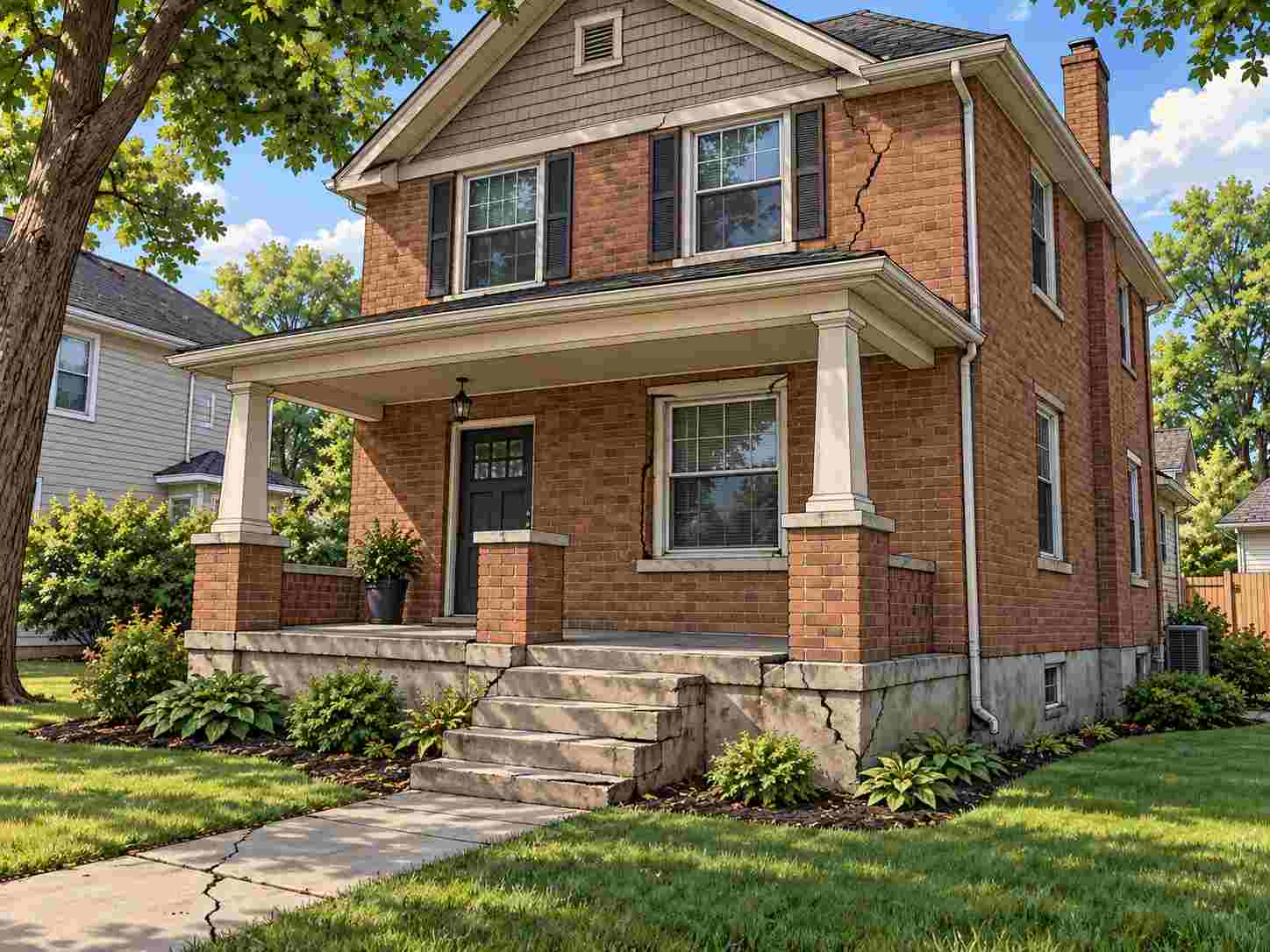
Selling a house with back taxes in Chicago is possible, and in many cases, the title company can pay the unpaid taxes directly from your sale proceeds at closing. However, if your property taxes were already sold at a tax sale, you should act quickly before the redemption period ends. Many owners choose to sell house with back taxes in Chicago before additional penalties and legal complications arise.
At Windy City Home Buyer, we help homeowners who need to sell fast because of unpaid property taxes, tax liens, or other financial challenges. We buy houses as-is, which means you do not need to make repairs, clean the property, or pay agent commissions. Our team can help you explore your options and move forward with a simple cash sale process.
Can You Sell a House With Back Taxes in Chicago?
Many homeowners can still sell houses with back taxes in Chicago even if they owe unpaid property taxes. In most cases, the sale can move forward without major problems.
How Are Back Taxes Paid?
When you sell your home, a title company checks the property records and finds the amount you owe. At closing, the title company pays the back taxes from the money received from the sale. You receive the remaining proceeds after the taxes and other approved costs are paid.
What If the Property Has Other Issues?
You may still be able to sell a house with back taxes in Chicago, Illinois if the property has tax liens or other title problems. Many homeowners also sell houses with liens in Chicago or sell a house with code violations without fixing every issue before the sale.
Why Acting Early Matters?
The longer back taxes remain unpaid, the more interest and penalties can grow. Selling sooner may help you avoid added costs and protect more of your home equity.
What Happens When You Sell a House With Back Taxes in Chicago?
If you sell a house with back taxes in Chicago, the process is often simpler than many homeowners expect. In many cases, you can complete the sale even if you still owe property taxes.
A Title Company Checks the Property
A title company reviews the property’s records before closing. They look for unpaid property taxes, tax liens, and other issues that may affect the sale. This step helps everyone understand what needs to be paid before ownership changes hands.
The Tax Balance Is Confirmed
Next, the title company verifies the exact amount of back taxes you owe. This amount may include unpaid taxes, interest, and penalties. Knowing the correct balance helps avoid delays later in the process.
Back Taxes Are Paid at Closing
When the sale closes, the title company uses part of the sale proceeds to pay the unpaid taxes. The payment goes directly to the proper government office. This helps clear the tax debt and allows the sale to move forward.
You Receive the Remaining Money
After the taxes and approved closing costs are paid, you receive the remaining proceeds from the sale. The amount you receive depends on your home’s sale price and the total amount owed.
Selling With Other Property Issues
Many homeowners also sell houses with back taxes in Chicago, Illinois while dealing with other challenges. In some cases, people sell houses with liens in Chicago or need to sell my house fast in Chicago, IL because of financial stress, repairs, or other property concerns. A direct cash sale may help simplify the process and reduce delays.
Sell House With Liens in Chicago Without Making Repairs
Many homeowners who sell houses with back taxes in Chicago also deal with liens. A lien is a claim against your property because of unpaid debt. While liens can make a sale more difficult, they do not always stop you from selling your home.
Common Liens Found on Homes
Tax liens are one of the most common property liens in Cook County. Some homeowners also face contractor liens, court judgments, or other unpaid debts attached to the property. These issues can create delays during a traditional home sale.
Why Traditional Buyers May Hesitate?
Many traditional buyers want a home with a clear title. If a property has liens, buyers may worry about delays or extra paperwork. Some lenders may also refuse to approve a loan until the liens are resolved.
Cash Buyers Often Buy Homes As-Is
Many cash buyers work with homeowners who need to sell houses with liens in Chicago. They often have experience handling title issues and property liens. This can make the selling process easier and faster.
No Repairs or Cleaning Needed
You may not need to repair, update, or clean the property before selling. Many cash buyers purchase homes in their current condition. This can help save time and reduce stress for homeowners.
No Agent Commissions
A direct sale can help you avoid real estate agent commissions. This may allow you to keep more of the money from the sale after approved debts and closing costs are paid.
A Simple Option for Homeowners
Many people who sell houses with back taxes in Chicago, Illinois look for a simple way to move forward. If you own a property with tax debt or liens, a direct cash sale may help you avoid delays and complete the process faster. You can also review our service areas to see how we help homeowners across Chicago and throughout Cook County.
How to Sell A House With Back Taxes in Chicago Before a Tax Sale?
If you need to sell a house with back taxes in Chicago, acting early can help protect your money and give you more options. Waiting too long may lead to added costs and a more difficult selling process.
Understanding Cook County Tax Sales
When property taxes remain unpaid, Cook County may place the tax debt in a tax sale. This allows another party to buy the tax lien connected to the property. While you may still have options, the process can become more complicated after a tax sale.
Penalties and Interest Can Grow
Unpaid property taxes often continue to collect interest and penalties. As the balance grows, it can reduce the amount of money you receive from the sale. Taking action sooner may help limit these extra costs.
Protect More of Your Home Equity
Many homeowners choose to sell houses with back taxes in Chicago, Illinois before the debt becomes larger. Selling early may help preserve more of your home equity and reduce financial stress.
Help With Tax Liens and Other Property Issues
Some homeowners also need to sell houses with liens in Chicago because of unpaid debts attached to the property. A direct sale may provide a simpler solution when dealing with tax problems, liens, or other title concerns.
Work With Our Professional Team
Our professional team works with homeowners facing unpaid property taxes and other difficult situations. We can explain your options, answer your questions, and help make the selling process easier from start to finish.
Why Do Homeowners Choose Windy City Home Buyer?
Many homeowners who need to sell houses with back taxes in Chicago want a simple and stress-free solution. Windy City Home Buyer helps homeowners sell quickly without many of the challenges that come with a traditional sale.
Get a Fair Cash Offer
We provide fair cash offers based on your property’s condition and local market factors. You can review the offer and decide what works best for your situation.
No Repairs Needed
You do not need to fix broken items, make updates, or spend money on improvements. We buy homes in their current condition, which can save time and reduce stress.
No Agent Commissions
A direct sale means you do not have to pay real estate agent commissions. This may help you keep more of the money from your sale.
No Hidden Fees
We believe in a simple and clear process. We explain each step and do not add unexpected fees or charges.
Close in as Little as 7 Days
Many homeowners who need to sell houses with back taxes in Chicago, Illinois want to move quickly. We can often close in as little as 7 days, depending on the property and situation.
Local Chicago Experience
Our team understands the Chicago market and the challenges local homeowners face. We have experience helping people deal with tax issues, liens, inherited properties, and other difficult situations, including those looking to sell inherited house in Chicago.
Choose Your Closing Date
You decide when you want to close. We offer flexible closing dates so you can move on your schedule.
Help for Many Property Situations
We work with homeowners who need to sell houses with liens in Chicago and those facing other property concerns. Whether you need to resolve tax debt or sell your house fast in Illinois, we offer a simple path forward with less hassle and fewer delays.
Need to Sell A House With Back Taxes in Chicago?
If you need to sell a house with back taxes in Chicago, Windy City Home Buyer is here to help. Our team makes the process simple from start to finish. You do not need to make repairs, clean the property, or pay agent commissions. We can provide a fair cash offer and work on a closing timeline that fits your needs. Contact us today to learn your options and take the next step toward a stress-free home sale.
FAQs
Can I sell a house with back taxes in Chicago?
Yes. Many homeowners can still sell a house even if they owe property taxes. In most cases, the unpaid taxes are paid from the sale proceeds during closing. After the taxes are paid, you receive the remaining funds from the sale.
What happens to back taxes when I sell my house?
A title company will calculate the amount of back taxes owed. At closing, the unpaid taxes, interest, and approved fees are paid from the sale proceeds. This helps clear the tax debt and allows the sale to move forward.
Can I sell a house with tax liens or other liens?
Yes. Many homeowners sell properties with tax liens and other types of liens. The title company will identify these issues during the title search. In many cases, the liens can be resolved as part of the closing process.
Do I need to make repairs before selling?
No. If you sell directly to a cash home buyer, you can often sell the property as-is. You do not need to repair damage, make updates, or spend money on improvements before selling.
How fast can Windy City Home Buyer close?
Windy City Home Buyer can often close in as little as 7 days, depending on the property and situation. We also offer flexible closing dates, so you can choose a timeline that works best for your needs.