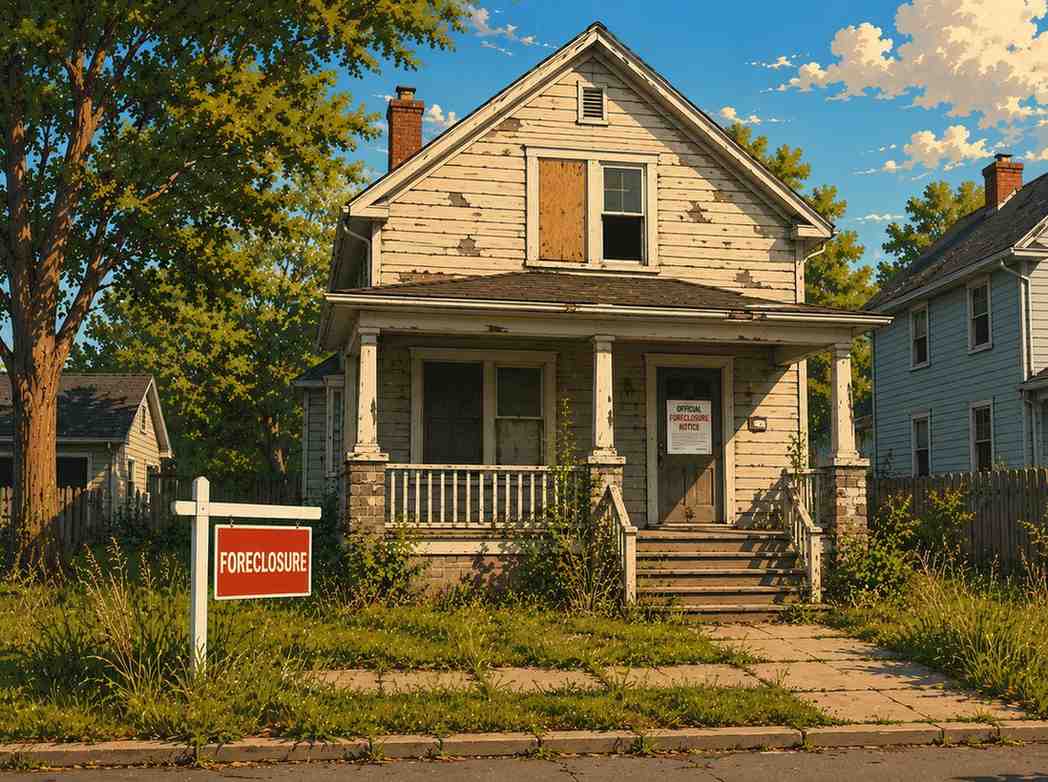
Understanding property tax assessments starts with knowing that a property tax assessment is a value given to your home by the local government. They use this value to figure out how much property tax you must pay. This value is not the same as the open market price of your house.
Windy City Home Buyer helps homeowners better understand their property and the options they may have. Knowing your home’s assessed value can help you make more informed choices about property taxes and a possible home sale.
What Is a Property Tax Assessment and How Is It Calculated?
A property tax assessment is the value a local government places on a property for tax purposes. Understanding property tax assessments can help homeowners see why their tax bill changes and what the assessed value means. A local assessor or assessment office usually reviews the property. The assessed value helps the local government calculate property taxes. These taxes may help fund schools, roads, emergency services, and other local programs.
An assessment may change over time. Changes in nearby home prices, property improvements, or local assessment rules can affect the value. The assessed value is also not always the same as the price you could get when selling your home. For this reason, understanding your home value requires looking at more than the assessment notice.
Recent Property Sales
Assessors may review recent sales of similar homes in the same area. These homes are often called comparable properties. They may compare homes with similar sizes, locations, features, and property types. Recent sales can give the assessor a general idea of current property values. This is also helpful when understanding the value of your home, since nearby sales may show how much buyers currently pay for similar properties.
Property Size, Features, and Condition
The assessor may consider details such as:
- Square footage
- Lot size
- Number of rooms
- Property type
- Garages or basements
- Major improvements
- Home additions
- Overall property condition
The home’s age may also matter. Construction quality, updates, repairs, and major improvements can affect the estimated value. A larger or recently improved home may receive a different assessment than a smaller property nearby.
Location
Location can affect the assessed value. Assessors may consider nearby property values and recent sales in the neighborhood. Homes in different areas may have different values, even when their size and design are similar.
Local Assessment Rules
Assessment methods are not the same everywhere. Local governments may use different assessment ratios, schedules, or valuation methods. This is why understanding property tax bills and assessments often requires checking the rules in your own city or county.
Homeowners who are behind on property taxes in Illinois should also review their assessment notice carefully. A correct understanding of the assessed value can help them better understand their tax bill and available options.
Assessed Value, Market Value, and How Property Tax Bills Work
Knowing the difference between assessed value and market value can make your property tax notice much easier to understand. Understanding property tax assessments also helps you see how local tax offices reach the amount shown on your bill.
What Is Assessed Value?
Assessed value is the value a local taxing authority uses as part of the property tax process. It helps determine how much property tax may be due. The way this value is set can vary by location. Some areas apply an assessment ratio to a property’s estimated value. Others may use different local rules. The assessed value may change after a reassessment, major home improvement, or change in local property data.
What Is Market Value?
Market value is an estimate of what a home may sell for under normal market conditions.
Several factors can affect market value, including:
- Buyer demand
- Property condition
- Home size
- Location
- Recent sales of similar homes
- Local housing trends
- Repairs or upgrades
When understanding the value of your home, market value can provide useful insight into what buyers may be willing to pay.
Why Assessed Value and Market Value May Differ?
Assessed value and market value do not always match. Assessments may be based on data collected at an earlier time. Market prices can change much faster as buyer demand rises or falls.
Local assessment rules can also create a difference between the two values. For this reason, understanding your home value should involve more than checking your tax assessment alone.
How Property Tax Bills and Assessments Work Together?
Understanding property tax bills and assessments starts with knowing how assessed value connects to the final tax amount.
A simple example is:
Taxable or assessed value × applicable property tax rate = estimated property tax before applicable adjustments This formula gives a basic idea of how taxes may be calculated. However, the real process can be more complex.
Your final bill may also depend on:
- Local tax rates
- Property tax exemptions
- Equalization factors
- Local taxing districts
- Special assessments
- Other local adjustments
The exact rules can vary by county, city, or taxing district. Knowing these differences can also help when making decisions about your property. A homeowner may be trying to sell my house fast in Chicago, IL, sell an inherited house in Chicago, or sell a house with code violations in Illinois. In each case, knowing the home’s tax status and estimated value can help the owner better understand the property’s financial position before deciding what to do next.
Why Property Tax Assessments Increase and How to Review Yours?
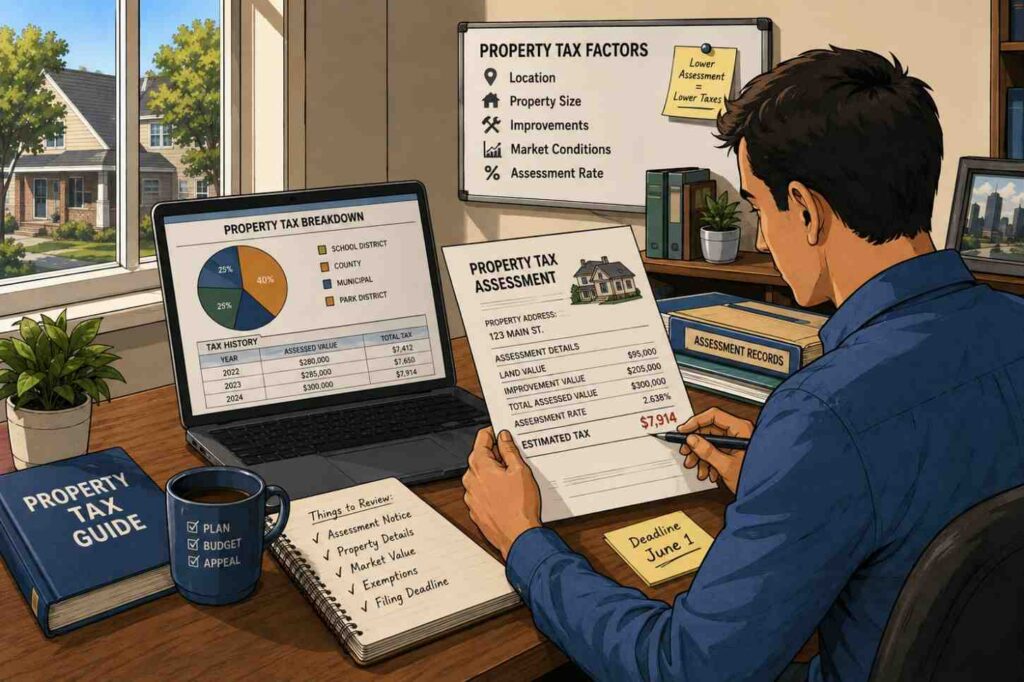
A property tax assessment can rise for several reasons. Understanding property tax assessments can help you see what changed and whether the new value looks reasonable.
An increase does not always mean your final tax bill will rise by the same percentage. Tax rates, exemptions, local budgets, and other rules can also affect what you owe.
Common Reasons Your Assessment May Increase
Your assessed value may change because of:
- Rising nearby home values: Higher sale prices in your area may affect local property values.
- Recent comparable sales: Assessors may review sales of homes that are similar to yours.
- Home additions: A new room, garage, or other added space may increase the property’s value.
- Major renovations: Large upgrades may affect the value recorded for your home.
- Changes to property records: Updated details may change the assessment.
- Reassessment cycles: Some areas review property values on a set schedule.
- Changes in local assessment practices: Local rules or methods may change over time.
- Corrections to previous information: An assessor may correct old errors involving size, features, or property use.
These changes are important when understanding property tax bills and assessments. However, the assessed value is only one part of your final property tax bill.
How to Review Your Property Tax Assessment?
If your assessment changes, review it before assuming the amount is correct.
1. Read Your Assessment Notice
Start by checking the main details on the notice. Look for:
- Assessed value
- Property description
- Assessment year
- Important dates
- Review deadlines
- Appeal deadlines
Pay close attention to deadlines. Local rules may limit how long you have to ask for a review.
2. Check Your Property Information
Look for mistakes in the information used to describe your home.
Check details such as:
- Square footage
- Lot size
- Bedrooms
- Bathrooms
- Property type
- Finished living areas
- Improvements
- Other listed features
Even a simple error may affect the assessed value.
3. Compare Similar Properties
Review recent sales and assessments for homes that are truly similar to yours. Compare properties with similar size, location, age, condition, and features. This can provide useful context when understanding your home value.
4. Review Current Market Conditions
Home prices can rise or fall as the local market changes. Recent sales may help with understanding the value of your home, but market value and assessed value are not always the same.
5. Check Available Exemptions
Some homeowners may qualify for property tax exemptions or other adjustments. Eligibility depends on local rules. Check official local sources before assuming an exemption applies to you.
A clear assessment can also help if you plan to sell your house fast in Illinois. Homeowners researching areas we buy houses, reading home buyer reviews, or speaking with our professional team can use this information to better understand their property’s financial position before making a decision.
What to Do If Your Assessment Looks Wrong and How to Understand Your Home Value?
If your property assessment seems too high or contains errors, review it before taking further action. Understanding property tax assessments can help you decide what information to check and what steps may be available.
Check for Property Record Errors
Start by reviewing the details listed for your property. Incorrect information may affect the assessed value.
Look for errors involving:
- Square footage
- Lot size
- Number of bedrooms
- Number of bathrooms
- Property type
- Finished areas
- Major improvements
- Other recorded features
If you find a mistake, keep a copy of the record and any documents that support the correct information.
Gather Comparable Property Information
Look at recent sales and assessments for homes similar to yours. Choose homes with similar size, age, location, condition, and features. A much larger or newly renovated home may not be a fair comparison. This research can also help with understanding property tax bills and assessments because it gives you more context about local property values.
Contact the Local Assessor
Contact your local assessor if you have questions about how the value was set. You can ask what property information, sales data, and assessment methods were used. Keep your questions clear and have your property records ready. The assessor may also explain how corrections or review requests work in your area.
Review the Appeal Process
You may have the right to request a review or file a formal appeal. However, the process varies by location. Deadlines and required documents may also differ. Always check your local government or assessor website for current rules. An appeal does not guarantee that your assessment or property tax will go down.
Look Beyond the Tax Assessment When Valuing Your Home
A tax assessment can provide useful information, but it does not show the full picture of a home’s current market value.
Understanding your home value also means looking at factors such as:
- Recent comparable home sales
- Current property condition
- Needed repairs
- Renovations and upgrades
- Neighborhood demand
- Local housing inventory
- Buyer demand
- Property location
- Current real estate conditions
These factors can change what buyers may be willing to pay. For this reason, understanding the value of your home should not depend on the tax assessment alone. Market conditions can move faster than local assessment cycles.
This can be especially important if you are asking, can I sell my house in foreclosure in Illinois, or researching how long does it take to sell a house in Illinois. Knowing both your assessed value and possible market value can help you make a more informed selling decision.
Know Your Home’s Value Before Making Your Next Move!
Understanding property tax assessments can help you see how your property value, tax bill, and possible selling options connect. If rising taxes or home costs are making you consider a sale, Windy City Home Buyer can help you explore your options.
Our team works with Illinois homeowners who want a simple way to sell without making major repairs or going through a long listing process. We can review your situation and explain what a direct home sale may look like. Contact us today to learn more about your options and see whether selling your property to Windy City Home Buyer is the right choice for you.
FAQs
1. What is a property tax assessment?
A property tax assessment is the value a local government places on your property for tax purposes. Understanding property tax assessments helps you see how that value may affect your property tax bill. The assessed value may be based on property details, nearby sales, local rules, and other factors.
2. Is assessed value the same as market value?
No. Assessed value is used for property tax purposes, while market value estimates what buyers may pay for your home. Market value can change due to demand, condition, location, and recent sales. This difference is important when understanding your home value.
3. Why did my property tax assessment increase?
Your assessment may rise because nearby home values increased, similar homes sold for more, or your property was improved. Changes in property records or local reassessment schedules may also affect the value. A higher assessment does not always mean your final tax bill will rise by the same amount.
4. Can I appeal my property tax assessment?
You may be able to request a review or file an appeal if you believe the assessment is incorrect. Rules, deadlines, and required documents vary by location. Check your local assessor or government website for current instructions. An appeal does not guarantee a lower assessment or tax bill.
5. How do property tax assessments affect my tax bill?
Your assessed or taxable value is one factor used to calculate property taxes. Tax rates, exemptions, local taxing districts, and other adjustments may also affect the final amount. Understanding property tax bills and assessments can help you see why your bill changes from year to year.