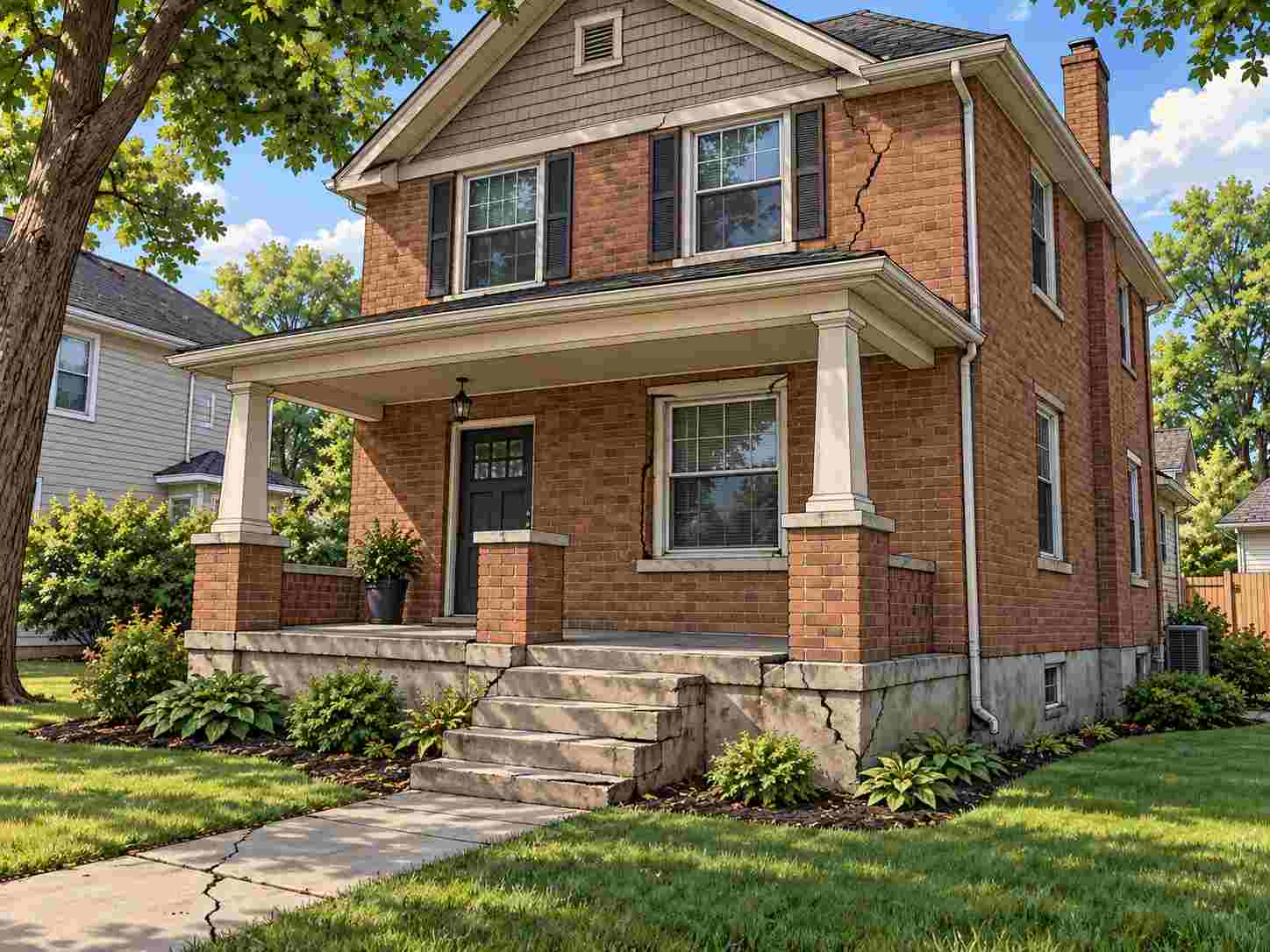
Underwater mortgages in Illinois occur when a homeowner owes more on their mortgage than the property’s current market value. This situation, also known as negative equity, often happens when home prices drop or when the property is used to take on additional debt. As a result, it becomes difficult to sell or refinance without covering the difference out of pocket. Even so, many homeowners in this position continue making payments and avoid default due to financial responsibility or personal values.
At Windy City Home Buyer, we help Illinois homeowners explore simple options when dealing with underwater mortgages. Our team makes it easy to sell your house fast, avoid stress, and move forward with confidence.
What Is an Underwater Mortgage?
An underwater mortgage means you owe more on your home loan than your home is worth today. Many homeowners face this issue with underwater mortgages in Illinois when home values drop.
In simple terms, your loan balance is higher than your home’s market price. Because of this, selling your home can be hard. You may need to pay the difference out of your own pocket.
This situation is also called “negative equity.” It often happens when property values fall or when a homeowner borrows more against the home.
How It Works
Let’s break down how it works in a simple way.
- You buy a home with a mortgage
- Over time, the market value drops
- Your loan balance stays the same or goes down slowly
- Now, your home is worth less than what you owe
This is when mortgages become mortgages underwater. For example, if you owe $300,000 but your home is now worth $250,000, you have an underwater mortgage. The $50,000 difference is the gap you still owe.
Many homeowners with underwater mortgages continue making payments. However, they may feel stuck because selling or refinancing is not easy. Understanding this problem is the first step. Once you know where you stand, you can explore the best way forward.
Why Do Mortgages Become Underwater?
Many homeowners ask why loans turn into underwater mortgages in Illinois. The answer is simple. Home value can change, but your loan balance does not drop as fast. When your home is worth less than what you owe, your mortgage underwater problem begins.
Home Values Go Down
Home prices can fall over time. This can happen due to market changes or local issues. If prices drop, your home may lose value. However, your loan balance stays higher. This creates a gap. This is one of the most common reasons for underwater homeowners mortgages.
Low Down Payment
Some buyers start with a small down payment. This means they borrow most of the home price. If the market drops even a little, the loan can become larger than the home value. As a result, the mortgage can quickly become underwater.
Borrowing More Against the Home
Some homeowners take extra loans using their home. This includes cash-out refinancing or home equity loans. While this gives quick cash, it also increases the total debt. If the home value does not grow, the loan becomes too large. This leads to a mortgage underwater situation.
Slow Loan Paydown
Mortgage payments take time to reduce the balance. In the early years, most payments go to interest. This means your loan balance goes down very slowly. If home prices fall during this time, you may end up with underwater homeowners mortgages.
Life Changes and Urgent Selling
Life events can force you to sell your home fast. This includes job loss, divorce, or relocation. If your home is worth less than your loan, selling becomes harder. Many people then look for steps to sell a home in Chicago or nearby areas to find a quick solution.
Market Conditions in Illinois
Local market trends also matter. Some areas in Illinois see price drops due to demand changes. When this happens, more homes fall into underwater mortgages in Illinois.
Risks of Having an Underwater Mortgage
Many homeowners with underwater mortgages in Illinois face serious challenges. These risks can affect your finances, plans, and peace of mind. When your loan is higher than your home value, your options become limited. It is important to understand these risks early.
Hard to Sell Your Home
Selling a home becomes difficult when you have underwater mortgages. If your home sells for less than what you owe, you must pay the difference. Many homeowners cannot afford this gap. Because of this, people with mortgages underwater often delay selling. This can keep them stuck in a home they no longer want or need.
Limited Refinancing Options
Refinancing can help lower payments. However, it is harder when your loan is higher than your home value. Lenders see this as a risk. As a result, they may deny your request or offer less favorable terms. This makes it harder for homeowners with underwater mortgages to improve their financial situation.
Risk of Foreclosure
If you cannot keep up with payments, you may face foreclosure. This is one of the biggest risks of mortgages underwater. Losing your home can also harm your credit score. It can take years to recover from this situation.
Financial Stress
An underwater mortgage can create daily stress. You may feel stuck paying for a home that is worth less than your loan. This can affect your decisions and future plans. Many homeowners feel uncertain about what to do next.
Delayed Life Plans
Being stuck in a home can delay important life goals. You may not be able to move for a job, upgrade your home, or downsize. This is a common issue for people dealing with underwater mortgages.
Finding the Right Help
It is important to act early and explore your options. If you want to learn more about Windy City Home Buyer, you can find simple solutions to sell your home without stress. They help homeowners avoid long delays, extra costs, and difficult processes.
Options for Underwater Mortgages in Illinois
Homeowners with underwater mortgages in Illinois still have several options. Each choice depends on your goals, income, and timeline. If your mortgage underwater situation feels overwhelming, start by learning these simple options. This can help you decide your next step with confidence.
Stay and Pay Down the Mortgage
One option is to stay in your home and keep making payments. Over time, your loan balance will go down. At the same time, your home value may rise again. This option works best if you can afford your monthly payments. Many homeowners choose this path to avoid quick decisions. However, it may take years to recover from underwater homeowners mortgages.
Refinance an Underwater Mortgage
Refinancing can help lower your monthly payment or interest rate. Even with a mortgage underwater, some programs may help. These include options backed by Fannie Mae or Freddie Mac. These programs are designed for homeowners with little or no equity. They may allow you to replace your loan with better terms. Still, approval is not always easy. You must meet certain rules and show stable income.
Loan Modification
A loan modification changes the terms of your current mortgage. Your lender may lower your interest rate or extend your loan term. This can make payments more affordable. This option helps homeowners who struggle with payments but want to stay in their home. Many people with underwater homeowners mortgages use this option to avoid foreclosure.
Short Sale
A short sale allows you to sell your home for less than what you owe. Your lender must approve this process. They agree to accept a lower payoff amount. This option helps you avoid foreclosure. It can also reduce long-term damage to your credit. However, the process can take time and requires lender approval at every step.
Deed in Lieu of Foreclosure
This option allows you to give your home back to the lender. In return, the lender cancels your remaining mortgage balance. It is often faster than foreclosure and may have less impact on your credit. This can be a good option if you can no longer afford your home and want a clean exit from your mortgage underwater situation.
When Should You Take Action?
If you are dealing with underwater mortgages in Illinois, timing matters. Acting early can protect your money, your credit, and your peace of mind.
Do not wait until the problem gets worse. Look for these clear signs that it is time to take action.
You Are Behind on Payments
Missing payments is a strong warning sign. If you fall behind, late fees can add up fast. This can make your situation harder to fix. Many homeowners with underwater mortgages wait too long. Acting early gives you more options and less stress.
Your Home Value Has Dropped
Check your home’s current value. If your home is worth less than what you owe, you may have mortgages underwater. This is a key sign that you should review your options. The sooner you act, the better your chances of finding a solution.
You Are Facing Financial Hardship
Life can change quickly. Job loss, medical bills, or other issues can affect your income. If your payments feel too high, do not ignore the problem. Homeowners with underwater mortgages often face this challenge. Taking action early can help you avoid bigger issues later.
You Feel Stuck With No Clear Plan
If you feel unsure about what to do, it is time to seek help. Feeling stuck is common with mortgages underwater, but you are not out of options. Simple steps today can prevent serious problems tomorrow.
Ready to Move Forward From an Underwater Mortgage?
You do not have to stay stuck with underwater mortgages in Illinois. There are simple ways to move on and regain control of your situation. At Windy City Home Buyer, we make the process fast and easy. You can sell your house as-is, avoid repairs, and skip agent fees. Most importantly, you can close on your timeline.
If you are ready to explore your options, contact us today. Our team is here to guide you, answer your questions, and give you a fair cash offer with no pressure.
FAQs
1. What are underwater mortgages in Illinois?
Underwater mortgages in Illinois happen when you owe more on your home than it is worth. This is also called negative equity.
2. Can I sell my house with a mortgage underwater?
Yes, you can sell a house with a mortgage underwater. Options include a short sale or selling to a cash buyer to avoid extra costs.
3. How do underwater mortgages affect my credit?
Underwater mortgages do not affect your credit by themselves. However, missed payments or foreclosure can lower your credit score.
4. What is the best option for underwater homeowners mortgages?
The best option depends on your situation. Some homeowners stay and pay, while others refinance, modify the loan, or sell the property.
5. Should I contact a home buyer if I have an underwater mortgage?
Yes, it can help to contact us if you have an underwater mortgage. A direct home buyer can offer a fast and simple way to sell your house.